Exodus Web3 Wallet – Secure & User-Friendly Crypto Management
Introduction to Exodus Web3 Wallet
The Exodus Web3 Wallet is a next-generation cryptocurrency wallet designed for users who want complete control over their digital assets. Unlike traditional wallets, Exodus integrates Web3 capabilities, allowing you to interact with decentralized applications (dApps), manage multiple cryptocurrencies, and participate in the DeFi ecosystem—all from a single interface.
With its intuitive design and top-tier security features, the Exodus Web3 Wallet empowers both beginners and experienced crypto enthusiasts to safely manage their digital portfolio while exploring the decentralized web.
What is Exodus Web3 Wallet?
The Exodus Web3 Wallet is a software wallet that combines a secure crypto storage solution with seamless Web3 functionality. It allows users to:
Store, send, and receive Bitcoin, Ethereum, and other major cryptocurrencies
Interact with decentralized applications (dApps) directly from the wallet
Swap tokens instantly without leaving the application
Connect hardware wallets for enhanced security
Access DeFi platforms and NFT marketplaces
By supporting Web3 functionality, Exodus ensures users can explore blockchain-based apps while maintaining full control of their private keys.
Key Features of Exodus Web3 Wallet
1. Multi-Currency Support
Exodus Web3 Wallet supports over 200 cryptocurrencies, making it easier for users to manage diverse portfolios in one place.
2. Built-in Web3 Browser
The wallet features a Web3 browser that allows direct interaction with decentralized apps, NFT platforms, and DeFi protocols.
3. Easy Token Swaps
Exodus lets users swap tokens instantly without needing an external exchange, saving time and transaction fees.
4. Hardware Wallet Integration
For added security, Exodus can be paired with hardware wallets such as Trezor Suite, ensuring private keys remain offline while still allowing access to Web3 features.
5. Portfolio Tracking
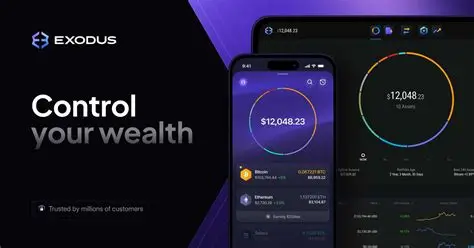
The wallet provides a comprehensive dashboard to monitor cryptocurrency holdings, track performance, and visualize portfolio distribution.
How to Set Up Exodus Web3 Wallet
Step 1 – Download the Official Wallet
Visit the official Exodus website to download the wallet for your platform (Windows, macOS, Linux, iOS, or Android).
Step 2 – Install and Launch
Follow the installation instructions and launch the wallet on your device.
Step 3 – Create a New Wallet
Set up a secure password and generate a recovery phrase. This phrase is essential for restoring your wallet if your device is lost or damaged.
Step 4 – Access Web3 Features
Once your wallet is set up, you can explore dApps, swap tokens, and connect to DeFi platforms using the built-in Web3 browser.
Step 5 – Optional Hardware Wallet Integration
For maximum security, connect a hardware wallet such as Trezor Suite to the Exodus Web3 Wallet to keep private keys offline while enjoying Web3 access.
Security Tips for Using Exodus Web3 Wallet
Keep Your Recovery Phrase Secure
Store your 12- or 24-word recovery phrase offline in a safe location. Never share it online.Use Strong Passwords
Protect the wallet with a strong, unique password.Enable Two-Factor Authentication (2FA)
If your platform supports 2FA, enable it for an added layer of protection.Verify dApps Before Connecting
Only interact with trusted decentralized applications to prevent phishing or scams.
Why Choose Exodus Web3 Wallet?
Exodus combines user-friendliness with advanced Web3 capabilities, making it ideal for both beginners and experienced crypto users. By integrating secure storage, portfolio tracking, token swaps, and dApp interaction, Exodus Web3 Wallet offers a complete ecosystem for managing cryptocurrency and exploring the decentralized web safely.
For users looking to increase security, pairing Exodus Web3 Wallet with hardware wallets like Trezor Suite or using secure setups from Ledger Live provides enhanced protection while interacting with Web3 applications.
Final Thoughts
The Exodus Web3 Wallet is a versatile and secure solution for managing cryptocurrencies and engaging with the decentralized web. By following best practices for setup and security, users can enjoy the full benefits of Web3 while keeping their private keys safe.